Out of My Comfort Zone (and Into a Dressing Room): What Working Retail Taught Me About Brands, People, and Showing Up

There’s a moment in working from home when you realize the most human interaction you’ve had all day was with your coffee maker.

I’ve been remote for several months now, and while I genuinely love the work — the clients, the strategy, the writing — there’s something that’s been missing. My husband would walk through the door after a full day in the world and I’d practically meet him at the door with a list of things I’d been saving up to say out loud. To another human. In person.

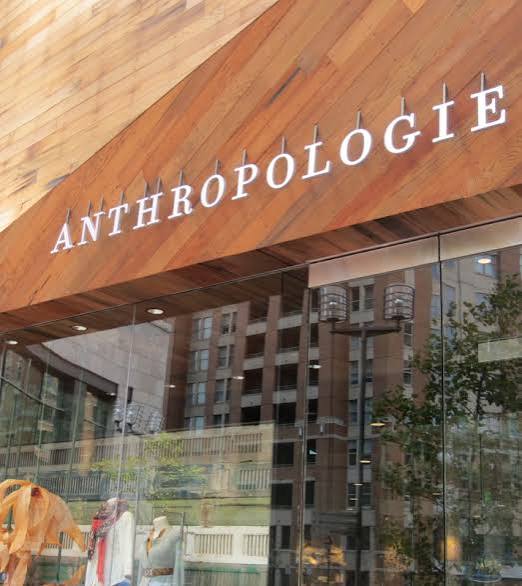
So I did something a little unexpected. I applied for a part-time job at Anthropologie.

“You’re just going to come home with shopping bags rather than a paycheck,” he said.

And he’s not wrong.

But it was never really about the money. It was about seeing people and helping people and using a completely different part of my brain for a few hours a week. Because I have been an Anthropologie loyalist for as long as the brand has existed. Head to toe. Birthday gifts. Christmas presents — just ask my three daughters what Santa Claus brings every year. It’s a whole couch full of Anthropologie for them. I know the Fort Worth store team by name. When I stopped in and visited with the store manager one afternoon, she said something that stuck with me: “We always love to hear from our customers.”

So I told her I wanted to be one of them — on the other side of the register.

What I Didn’t Expect

My first shift was four hours on the floor and in the fitting room. And I’ll be honest — it was out of my comfort zone in a way I hadn’t anticipated. I’ve spent three decades in communications. I’m comfortable in boardrooms and media interviews and high-stakes client situations. But retail? That’s a completely different skill set, and it does not belong to the faint of heart.

It’s listening — really listening — to what someone needs. It’s remembering that she wants the blouse in pink, not green, and that she’s a medium in one cut and a large in another. It’s multitasking at a pace that keeps every part of your brain engaged. It’s thinking on your feet, managing energy across a four-hour block, and being fully present with every single person who walks through that fitting room door.

In PR terms? It’s human relations in its purest form.

What I Learned About How People Shop

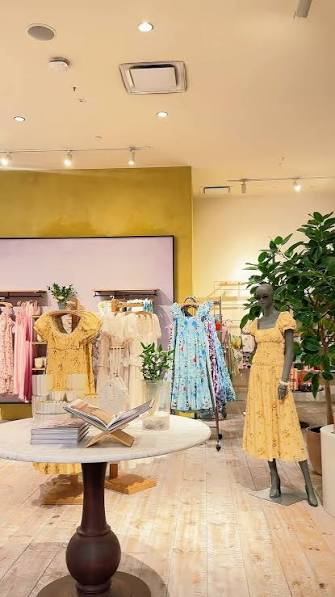
Here’s something I didn’t expect to take away from my first shift: a genuine appreciation for the theater of retail. People shop differently — and watching it up close was its own education.

I’d say 95% of shoppers are thoughtful about the space — they hang their clothes back up, leave the room as they found it. And now I have a whole new appreciation for the team working behind the scenes resetting everything so the next customer walks into something beautiful.

I will never look at a fitting room the same way again.

And I noticed something else about the people who come in. They aren’t all there to buy something. Some of them are there to decompress. To run their hands along new fabrics. To smell the candles. To exhale for twenty minutes in the middle of a hard week. Anthropologie has always known that they’re not just selling clothing — they’re selling a feeling, an exhale, a moment of beauty in an otherwise ordinary Tuesday.

That’s extraordinary brand work. And experiencing it from the inside made me appreciate it even more.

Cookies, Breaks, and Things I Didn’t Know I Needed

Here’s something I haven’t had in thirty years of professional life: a scheduled break.

In communications, you eat lunch at your desk, you answer emails between meetings, and downtime is something that happens to other people. But in the middle of my first shift, someone tapped me on the shoulder and said: “It’s your scheduled fifteen-minute break — do whatever you want.”

Do whatever you want. Fifteen whole minutes. Just for me.

Someone had also brought in homemade cookies for the whole team, which was the sweetest gesture — and I genuinely appreciated it. I, however, walked down to Eatzie’s, because fifteen minutes of freedom and I’m going to use it exactly how I want to. But the fact that a teammate had taken the time to bake for everyone set the tone for exactly the kind of place this is.

Scheduled downtime — built right into the shift — is something my professional career never once offered me, and I didn’t realize how much I’d been missing it until I was standing in Eatzie’s with absolutely nowhere else I was supposed to be.

I’m a fan.

The People Behind the Brand

One of the most unexpected delights of this whole experience has been my fellow employees. The team is a beautiful mix of people at completely different stages of life — recent high school graduates stepping into their first real job, new college graduates figuring out what’s next, students working toward their master’s degrees, and stay-at-home mothers who, like me, simply wanted to get out of the house and back into the world for a few hours a week.

Different ages. Different chapters. Different reasons for being there. And yet the energy is genuinely collaborative and warm. There’s something quietly wonderful about working alongside someone who is just starting out while you’re several decades into a career — you see the excitement of possibility through fresh eyes, and they remind you that showing up somewhere new and uncertain is always worth it.

It also made me think about what this brand attracts. Anthropologie doesn’t just draw a certain kind of customer — it draws a certain kind of person. Curious. Creative. A little bit adventurous. That shows up on both sides of the fitting room door.
A New Friend I Didn’t See Coming

This might be the best part of the whole story.

On my first shift I was helping a customer find the perfect outfit for her birthday celebration dinner. We pulled options, talked through the occasion, debated cuts and colors — the whole joyful process. She lives near me. We have kids the same age. Somewhere between the dressing room and the final decision we realized we just clicked — one of those instant connections you genuinely cannot plan for.

We exchanged Instagram handles before she headed to the register.

I went looking for a reason to get out of the house. I didn’t expect to help someone find her birthday outfit and leave with a new friend.

That’s the thing about saying yes to something new — you genuinely cannot predict what’s waiting on the other side of it. A new skill. A new perspective. A quick walk to Eatzie’s on a fifteen-minute break. And sometimes, a woman trying on dresses for her celebration dinner who turns out to live right down the road.

She’s already invited me to her workout class. I said yes.

Leadership That Shows Up

The thing that struck me most wasn’t the product. It was the culture.

My new leader is exceptional. She is positive and encouraging and she gives praise freely and specifically — to every team member, new and veteran alike. You can feel it in the energy of the store. You can see it in how the team moves together.

I thought: this is why this is one of the top-performing stores for the brand. The product brings people in. The people make them stay.

“Strive for Five”

One of my favorite things about this brand from the inside: the philosophy of strive for five — arriving to your shift in at least five elements of your personal style. It doesn’t mean wearing the whole store. It means a necklace, a scarf, something in your hair, a bracelet layered with something you already own. It’s an invitation to show up as yourself, assembled with intention.

I love that. It’s what the brand asks of its customers too.

And then there was the job interview itself — which involved sharing an outfit of the day and shopping the store for a fictitious trip to Italy. I walked out thinking: this brand knows exactly who it is. It hires people who love the thing they’re selling, who understand that style is personal and joyful and a little bit brave.

About That Employee Discount

I didn’t mention this earlier, but there’s one more detail worth sharing: the employee discount.

If you thought I was wearing Anthropologie before — just wait.

My husband has been warned.

Bonus: Four Hours of No Screen Time

Here’s something I didn’t see coming: four hours with no screen.

No laptop. No notifications. No emails stacking up in the corner of my eye. Just people and fabrics and fitting rooms and conversation. For someone whose entire professional life lives on a screen, that was an unexpected gift — the kind you didn’t know you needed until you were standing in the middle of it.

I can’t say I wasn’t tired after that shift. But it was a different kind of exhaustion — the good kind. The kind that comes from being on your feet and fully present and genuinely engaged with the world around you rather than a glowing rectangle on your desk.

I came home clearer than I’ve felt in months.

The Real Reason I Did This

It wasn’t about the clothes (okay, not entirely about the clothes). And it certainly wasn’t about the paycheck — my husband called that one from the start.

It was about getting out of the house. About seeing people and helping people and stepping into something completely new. It was about trusting a brand I’ve believed in for decades enough to want to be part of it from the inside.

Remote work is a gift, and I’m grateful for it every day. But humans need humans. And sometimes the best thing you can do for your creativity, your energy, and your perspective is to walk into a dressing room with someone who can’t decide between the pink and the green — and help them figure it out.

Try something new. Believe in a brand. Get a little uncomfortable.

The good stuff is usually on the other side of that.
Sidebar: The Details That Create the Experience

From the Invitation to the Takeaway — Every Detail Tells Your Story

Great event decor is not about spending more. It is about thinking more. The most memorable events are the ones where every element — from the moment a guest opens their invitation to the moment they walk out the door with something in their hand — feels intentional and connected. That is not an accident. That is a theme executed with discipline.

Decor begins long before anyone walks through the door. It starts with the invitation. The colors, the fonts, the imagery, the paper stock — all of it signals to your guest what kind of experience they are about to have. From there, every touchpoint should carry that same thread: the signage at the entrance, the flowers at the podium, the centerpieces on the tables, the chair wraps in the seating area, the artwork on the walls, the lighting that sets the mood, the video playing on screen, and the item your guest takes home at the end of the evening.

Flowers deserve their own conversation. A thoughtfully arranged floral display at the podium, along the stage, or as table centerpieces elevates the entire room. Florals should complement your color palette and your theme — not compete with them. The same goes for lighting. The right lighting can transform an ordinary space into something extraordinary, and the wrong lighting can undermine even the most beautiful decor. Think about uplighting, string lights, spotlights on key focal points, and how natural light will interact with your space at the time of day your event takes place.

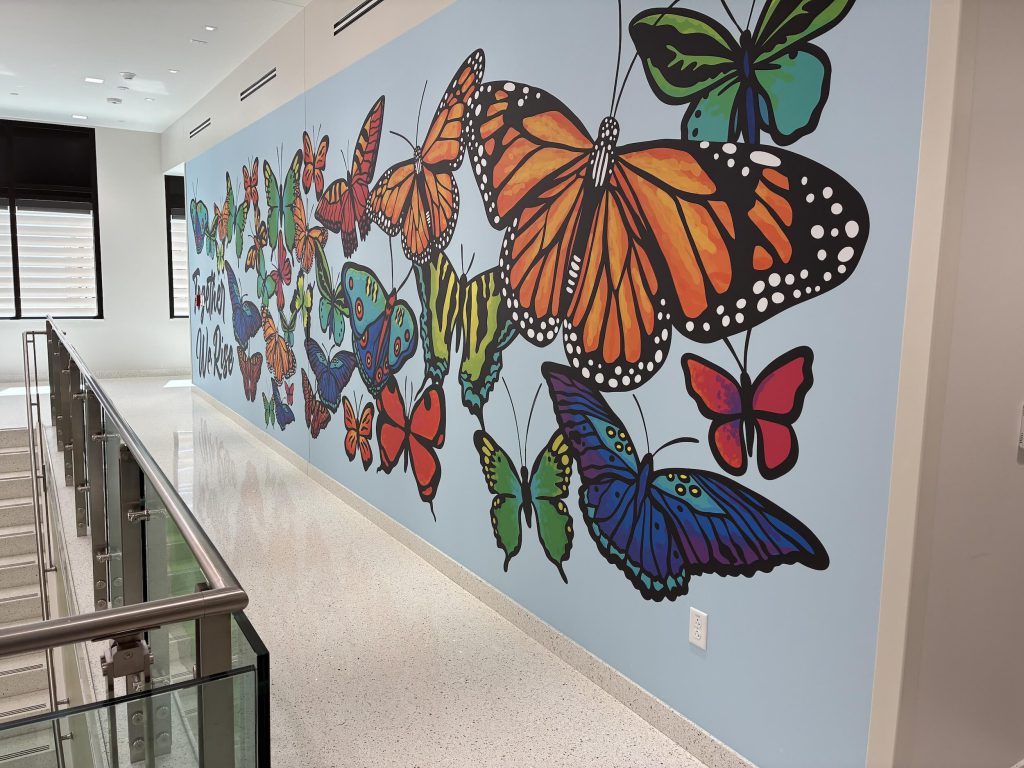
Commissioned or commemorative artwork is another layer worth considering for milestone events. A custom piece — whether it is a painting, an illustration, a mural, or a framed print — created specifically for the occasion becomes both a focal point during the event and a lasting artifact of the moment. It can be displayed at the event, presented as a gift to a honoree, or reproduced as a keepsake for guests.

When all of these elements are working together, something remarkable happens. Your guests do not just attend an event. They experience one.

Sidebar blog post BUTTERFLY 2

A Story Worth Telling

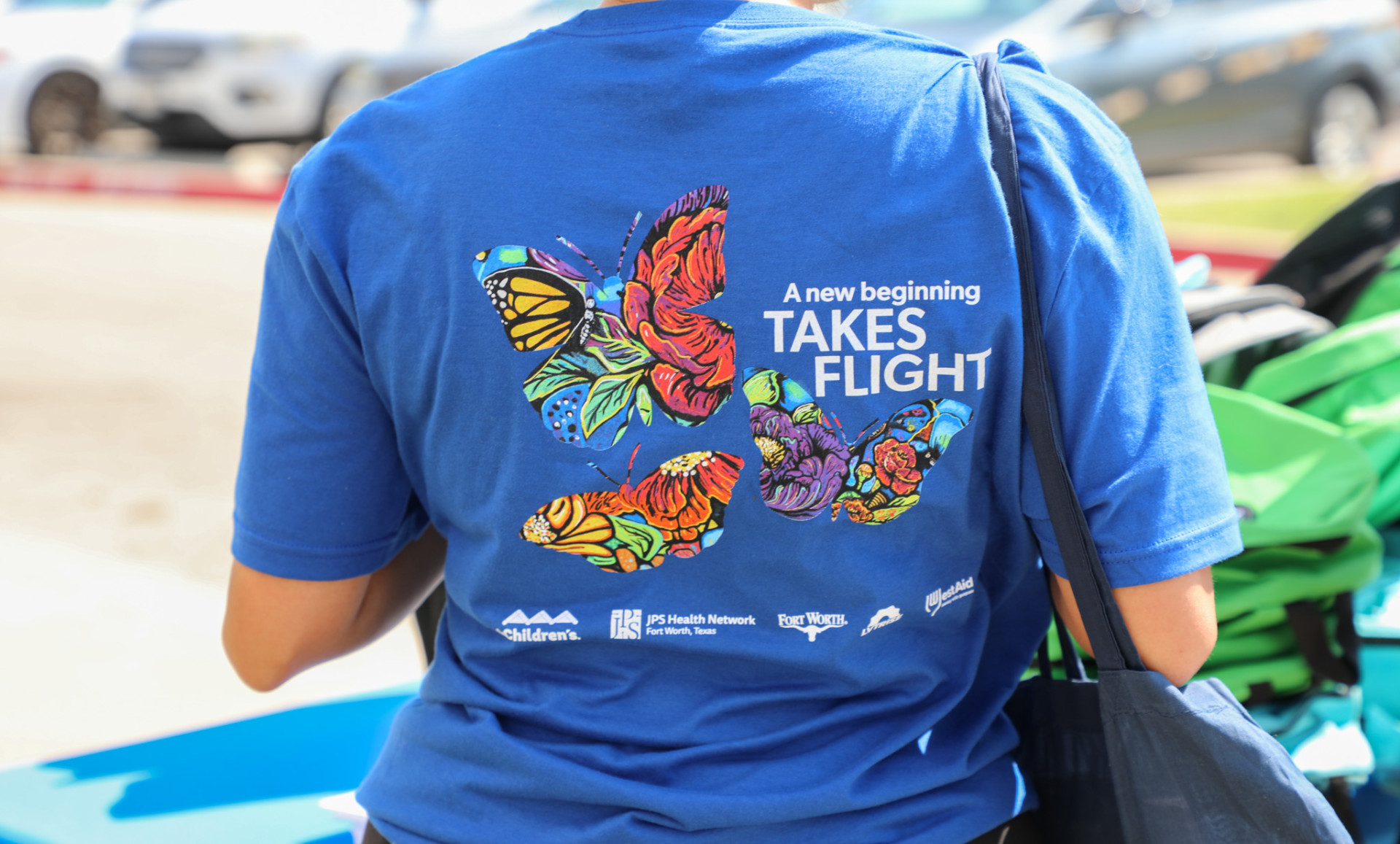
One of the most powerful examples of cohesive event design centers on a single symbol: the butterfly.

The theme was new beginnings. And from that theme, every decision flowed. The invitation arrived with butterflies. Guests were welcomed by a butterfly mural on the exterior of the venue. Inside, butterflies were woven into the stage decor, the chair wraps, the centerpieces, and the artwork on display. The commemorative piece created for the occasion featured butterflies. The video shown during the program opened and closed with butterflies. The T-shirt guests received had butterflies. The giveaway had butterflies.

Nothing was left to chance. Nothing was an afterthought.

The result was an event that felt immersive and complete — where every element reinforced the meaning of the moment and guests left not just having witnessed something, but having felt it.

That is what intentional decor does. It transforms a program into an experience, and an experience into a memory.

When you are ready to plan an event that tells a story from beginning to end, LMC Agency is ready to help you tell it.

Your Moment in the Spotlight: Essential Tips for Planning an Event to Remember

A groundbreaking. A ribbon cutting. A grand opening. A topping-out ceremony. A donor reception. A corporate anniversary. An employee town hall. A dedication. These are the moments organizations work years to reach, and how they are executed reflects directly on the brand, the leadership, and the relationships that made them possible.

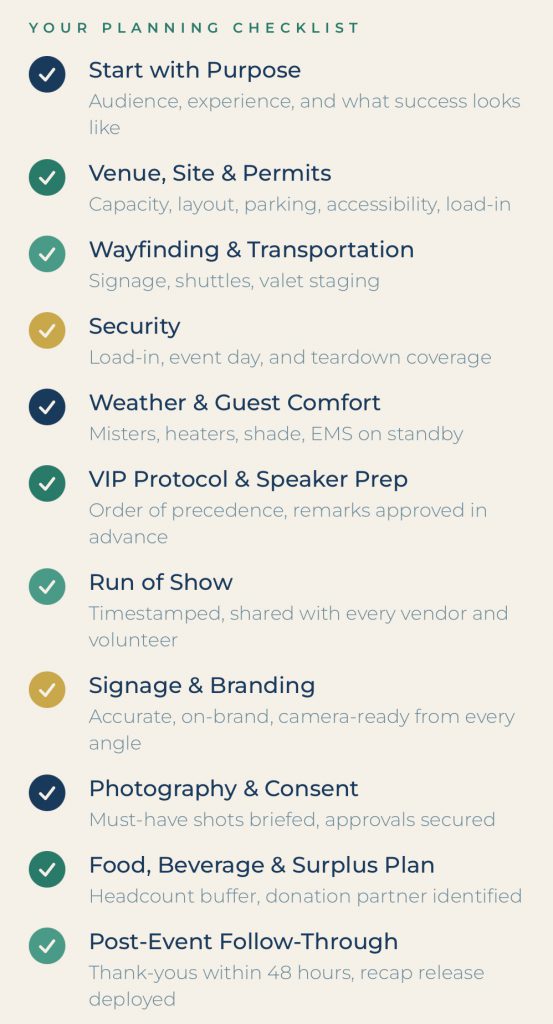
At LMC Agency, strategic communications and event planning go hand in hand. We have supported clients through milestone moments of all sizes, and we have learned that the details matter as much as the vision. This checklist is your starting point for making sure your next event is not just well-attended, but truly unforgettable.

Start with the Big Picture

Before a single vendor is booked or a venue is confirmed, get clear on purpose. Who is your primary audience? What is the intended experience? What does success look like? Every decision that follows should serve those answers. A donor-funded dedication carries a different tone than a corporate town hall, and a groundbreaking in an open field presents different logistics than a grand opening in a finished space. Know what you are planning before you plan it.

Venue, Site, and Permits

Confirm capacity, layout, parking, and accessibility for all guests, including those with mobility considerations. Identify load-in and load-out windows for vendors, rentals, and signage. Secure any required permits well in advance, especially for outdoor events or those held on public or donor-funded property. If any element of your event involves tenting, open flames, generators, or amplified sound, check local ordinances early. Surprises at the permit stage are never welcome.

Parking, Transportation, and Wayfinding

Do not assume guests will figure out parking on their own. If your venue has limited parking, plan for shuttle service from a designated offsite lot and communicate pickup and drop-off logistics clearly in your pre-event communications. On site, invest in clear, professional directional signage so guests never have to guess. Signs should indicate parking areas, valet drop-off if applicable, the main entrance, registration or check-in, restrooms, and any overflow areas. Poor wayfinding creates frustration before your guest ever walks through the door, and that first impression matters. If valet service is part of the experience, confirm staffing ratios, tip protocols, and vehicle staging well in advance.

Security

Do not wait until event day to think about security. If your event involves significant technology setup, audio-visual equipment, staging, branded displays, or high-value rentals, you may need security coverage beginning the night before load-in. Consider the full timeline: the day or more in advance when equipment and materials begin arriving on site, the day of the event itself, and the teardown period that evening when vendors are still on property and equipment is being packed and loaded out. High-profile events, those held in open or public spaces, and events with notable speakers or donors in attendance may also warrant a visible security presence throughout the program. Coordinate with your venue on their existing protocols and determine early whether supplemental contracted security is needed. Do not assume it is covered.

Weather Comfort and Guest Experience

In Texas, weather is not a minor inconvenience — it is a planning variable that deserves its own line item in your budget and your checklist. Do not leave it to chance in either direction.

For warm and hot weather events, particularly those held outdoors or in spaces without adequate climate control, consider handheld fans available at guest entry points, electric standing fans powered by a generator if venue power is not accessible, and cooling misters strategically placed in high-traffic and seating areas. Shade structures, tenting, and timing your program to avoid peak afternoon heat are also worth evaluating. Have cold water readily available and visible throughout the event footprint.

When heat conditions are extreme, having emergency medical services or first responders on site or on standby is not an overreaction — it is responsible event management. This is especially important when your guest list includes elderly attendees, young children, or individuals with health considerations, or when the event involves prolonged outdoor exposure with limited shade. Coordinate with local EMS in advance, confirm response protocols, and make sure at least one designated team member knows exactly who to call if something happens.

For cold weather and winter events held outdoors or in open structures, portable propane or electric heaters should be deployed thoughtfully across the space, with particular attention to seating areas, the stage or ceremony area, and any lines where guests may be waiting. Confirm fuel supply and safety clearances in advance. If your event is a groundbreaking, a topping-out ceremony, or a dedication held at a construction site or open-air venue, cold weather comfort for both guests and your program participants is essential.

In any season, monitor the forecast closely in the days leading up to the event and have a clear decision tree for what changes if conditions shift. Your guests will remember how they felt physically just as much as what they heard from the podium.

First Aid and Emergency Preparedness

For larger events, particularly those with a broad guest mix that includes elderly attendees, young children, or individuals with medical needs, a dedicated first aid tent or station is a smart and responsible addition to your event footprint. Stock it with basic supplies including bandages, ice packs, pain relievers, and water, and make sure it is clearly marked and easy to locate from the main event area. Designate a trained staff member or volunteer to manage the station throughout the event. If you have EMS on standby, coordinate with them on the location of the first aid tent so they can respond quickly if a situation escalates. For very large crowds, consider working with your local fire department or a private medical services provider to staff the tent professionally. Guests who feel safe and cared for are guests who stay engaged, and organizations that plan for the unexpected protect both their attendees and their reputation.

Food and Beverage

Align quantities with your confirmed headcount and build in a reasonable buffer. Plan in advance for what happens to surplus food. Strong options include donating to a local shelter or food bank, many of which accommodate event pickups with advance coordination; offering take-home containers for guests; sharing with employees at a nearby worksite who were not able to attend; or partnering with a local school or nonprofit organization. Designating one person to manage food logistics on event day removes ambiguity and last-minute scrambling.

Program and Run of Show

Build a detailed run of show with time stamps for every element, from guest arrival through the final remarks. Share it with every vendor, volunteer, and team member in advance. Identify your emcee early and brief them thoroughly on the agenda, the key guests in the room, and any pronunciation sensitivities for names, places, or organizational titles. Your emcee sets the tone for the entire program — choose that person with intention.

VIP Management and Protocol

If your event includes elected officials, major donors, board members, executives, or other high-profile guests, protocol planning is not optional — it is essential. The order in which VIPs are introduced, seated, and recognized on the program is not arbitrary. It communicates respect, hierarchy, and organizational awareness, and getting it wrong can create lasting friction with people whose relationships matter to your organization.

Start by identifying every VIP on your guest list early and researching the appropriate order of precedence. Elected officials, for example, follow a specific protocol based on level of office — federal before state, state before local — and their offices will often have staff who can advise you. Build your speaker order and seating chart with that protocol in mind.

Communicate with each VIP’s office or representative well in advance. Many elected officials and senior executives will arrive with their own staff, a communications director, a scheduler, or in some cases personal security. Know who is coming with them, plan for their arrival logistics, and make sure your team knows how to receive them. Designate a specific point of contact on your staff whose sole responsibility is greeting and managing VIPs from the moment they arrive until they depart.

Provide remarks, talking points, or scripts to VIP speakers well ahead of the event — not the day before, but with enough lead time for their staff to review, edit, and approve. Build that review window into your communications timeline and follow up proactively. Do not assume their office received what you sent. Confirm it.

Finally, brief your emcee thoroughly on how to introduce each VIP, including correct titles, pronunciations, and any honorifics. A mispronounced name or incorrect title for a sitting official is the kind of detail that lingers.

Speakers and Staging

Think through the full physical experience for every person on your program. If multiple speakers are sharing a stage or podium, consider their heights and whether the microphone and podium can be adjusted between speakers. Think carefully about seating on stage. Bar-height stools can be difficult and uncomfortable, particularly for guests wearing dresses or skirts, and they can present real challenges for speakers who are shorter in stature. Standard chairs or appropriately scaled seating are often the safer and more dignified choice. Make sure every speaker knows in advance where they will be seated, when they will be called forward, and exactly what is expected of them. No one should be surprised once the program begins.

Commemorative Gifts for VIPs and Speakers

Your VIPs and speakers have given their time, their name, and their platform to your event. Acknowledging that with a thoughtful commemorative gift is a meaningful gesture that reinforces the relationship long after the event concludes. The gift does not need to be elaborate, but it should be intentional — something tied to the occasion, the organization, or the milestone being celebrated. A framed rendering of a new facility, a custom piece recognizing their participation, a locally sourced item, or a branded keepsake tied to the event theme are all strong options. Present gifts personally and graciously, and whenever possible, have a senior leader or the host organization make the presentation. It is a small moment that leaves a lasting impression.

Invocation or Blessing

If your program includes an invocation, select the right person with care and brief them on tone, length, and audience. A well-delivered, welcoming invocation sets a meaningful tone for the event. The person you select should understand the composition of the room and be prepared to deliver a message that is inclusive and appropriate for the full audience in attendance.

Entertainment and Community Engagement

Consider whether your event creates a natural opportunity to involve local schools, youth organizations, or community groups. A choir, a student ensemble, or youth organization participation can add warmth and deepen community connection. These partnerships also tend to generate goodwill and media interest that extends well beyond the event itself.

Printed Materials, Programs, and Event Displays

Do not leave your guests guessing about what is happening or who is speaking. A well-designed program or agenda gives attendees context, helps them follow along, and serves as a keepsake for milestone events. Depending on your audience and budget, you have several solid options to consider.

Printed programs or invitations remain a strong choice for formal events, dedications, and donor-facing occasions where a tangible, branded piece adds to the experience. For more casual or environmentally conscious events, a QR code displayed at registration or printed on a simple card can direct guests to a digital version of the program on their phones. For larger gatherings or events where visibility matters, displaying the agenda on a large screen that the full audience can see keeps everyone oriented and on the same page throughout the program. If your venue does not have built-in screens, plan ahead — bringing additional monitors or renting display equipment may be necessary and is well worth the investment. Whatever format you choose, make sure the agenda is accurate, proofread, and reflects the correct names, titles, and spelling for every person listed. A program is often the one tangible item guests take home, and the details on that page reflect directly on the organization.

Signage and Branding

Confirm that all signage, backdrops, banners, and branded materials are accurate, on brand, and positioned for both in-room visibility and photography. If a podium or step-and-repeat backdrop will appear in photos, make sure it is camera-ready from every anticipated angle. Branded materials left crooked, poorly lit, or partially obscured in official event photography are a missed opportunity.

Photography, Videography, and Consent

Designate a photographer and, if appropriate, a videographer. Brief them on the must-have shots: the ribbon cutting, the shovel turn, the topping-out moment, the keynote speaker at the podium, the handshake, the crowd. If media are invited, prepare a press kit and designate a media point of contact for the day. Capture social-ready content in real time for immediate post-event use.

Before your photographer or videographer begins capturing images, however, ask a critical question: is everyone in that frame cleared to be photographed? This is not a formality — it is a responsibility. Some guests may have privacy concerns, safety considerations, or personal circumstances that make photography problematic. Elected officials and executives may have communications staff who want to approve images before they are used publicly. Certain events involving sensitive populations, donor relationships, or legal matters may require signed consent or release forms before any images are shared externally.

If your event includes children, confirm in advance what permissions are required. If it is held at a facility with specific photography policies, know them before your photographer arrives. If media are present, be clear about who has agreed to be interviewed or photographed and who has not, and make sure your media point of contact is empowered to enforce those boundaries.

Build photography approvals and consent into your pre-event workflow, not your post-event scramble. Knowing before the shutter clicks who can be photographed, how images can be used, and who has final approval over what gets published will save you from uncomfortable conversations and potential missteps after the fact.

Overnight Accommodations for Staff and Vendors

Depending on the location of your event and where your team members live, overnight accommodations may not be a luxury — they may be a necessity. If your staff or key vendors are facing a late teardown followed by an early morning the next day, expecting them to drive long distances in between is neither safe nor practical. Identify early which team members may need rooms, negotiate a room block at a nearby hotel if multiple people are involved, and confirm checkout and parking logistics so nothing adds friction on event morning. This same consideration extends to out-of-town speakers, performers, or special guests who are part of your program. Taking care of your people the night before means they show up rested, focused, and ready to execute.

Communications Timeline

Develop a pre-event communications plan that includes save the dates, invitations, reminders, and day-of logistics for attendees. Prepare remarks, talking points, and any ceremonial scripts well in advance and allow time for speaker review and approval. Have post-event communications ready to deploy — including thank-you notes, a recap release, and social content — before the event concludes.

What to Wear: Dress for the Work, Not Just the Moment

Here is something they do not teach in communications school but every seasoned PR professional learns the hard way: pack two outfits.

Every public relations person alive has hung a banner, strung lights, run cable, set up chairs, passed out programs, and worked a teardown at the end of a long event day. Setup and teardown are physical work, and trying to do that work in your event-day outfit and dress shoes is a lesson you only need to learn once. Bring a comfortable, professional outfit and a pair of tennis shoes for load-in and setup. Change into your event attire before guests arrive. When the last guest leaves and it is time to break everything down, change back. Your feet, your back, and your outfit will all thank you. The best event teams show up ready to work and ready to shine — and they know the difference between the two.

Staffing and Volunteers

Create a clear staffing plan with defined roles and a single point of contact for each area of responsibility. Every team member and volunteer should arrive knowing the run of show, their assignment, the dress code, and who to contact if something goes sideways. Assume nothing. Brief everyone.

Post-Event Follow-Through

Send personalized thank-you notes to speakers, sponsors, donors, and key partners within 48 hours. Compile media coverage, social engagement, and attendance data. Document what worked, what to refine, and what to carry forward. The best events are also learning opportunities for the next one.

Your Moment Deserves to Be Done Right

Milestone events deserve to be executed with the same care and intention that went into achieving them. The details that seem small in the planning stage — the seating on stage, the directional signage, the first aid tent, the overnight rooms for your team — are the details your guests and your leadership will notice when they are missing.

At LMC Agency, we partner with organizations to make sure every element reflects the significance of the moment. Because when it is your time to shine, everything should be ready.


Ready to plan your next milestone event? Contact LMC Agency to get started.

www.lmcagency.com

P.S. Do not forget your tennis shoes.

The Ripple Effect of a Single “Yes.”

PR internships aren’t just college requirements — they are the foundation for lifelong legacies.

It would have been the fall of ’98 or the spring of ’99 when I first spoke to Ashley Antle, APR’s class at Texas Christian University while working at Texas Health Resources. (It may have even been Doug Newsom Chapter PRSSA – TCU’s class where I had spoken.)

Shortly after that guest appearance, Ashley reached out to inquire about an internship. My first daughter had just been born so I was actually on maternity leave when we met to interview that summer. I can still see Ashley sitting there with Bryn in her infant carrier right beside us while we chatted. Ashley joined our team that following fall, and it was the start of a 27-year journey.

More Than a Professional Connection

Space doesn’t allow me to list every milestone we’ve shared since then. I was there to hear how she met her future husband Sean Antle, I attended their wedding and sat with Barclay Berdan, Debbie Brown and a host of Harris friends, and I celebrated the birth of her children — just as she had always done for me. I’ll never forget her decorating my hospital room at Harris Methodist when Blaine Van Hoosier and Bella were born.

Throughout my career, whenever I needed to assemble an “A-Team,” Ashley was the first person I wanted at the table.

The Power of the PRSA Network

The tribute Ashley wrote for my mom (Mimi) focuses on a story from a PRSA International Conference. It is a beautiful reminder of resilience and the power of the PRSA network. These industry connections aren’t just about business cards; they are about the deep, global friendships that sustain us through life’s twists and turns.

PRSA’s national chair Heide Harrell, MA, APR just made this invaluable point to me recently.

Full Circle Moments

My mom was a lifelong educator who loved Ashley like her own; she would be so touched by these words.

The story comes full circle again today: my niece Vivian Moore, a PR student finishing her studies at the University of Central Florida, created this beautiful artwork for us over the weekend. She is a rising star — if your company is looking for intern talent this summer, she is the one to watch.

My takeaway for my network: You never know what kind of connections you’ll make when you say “yes” to being a guest speaker at a college or high school class. I hope you’ll consider getting involved with your local university or ISD this semester to grow the next generation of professionals.

But most of all, I hope you’ll read this tribute to the woman who was a lifelong educator: https://fortworthreport.org/2026/04/10/rebecca-rowntree-moore-dec-20-1936-jan-19-2026/

PRSA #Mentorship #PublicRelations #Legacy #Networking #TCUAlumni #Family #PRSAICON #PRSSA

If You Work in PR, Join a PRSA Chapter. Here Is Why.

I joined the Fort Worth chapter of the Public Relations Society of America in 1998, and it is one of the best professional decisions I have ever made. I have Holly Ellman, a past chapter president who is now with TCU, to thank for that. Holly recruited me to join PRSA and invited me to serve in my first role as chair of the Healthcare Special Interest Group. It was also through GFW PRSA that I met Kelli Horst, a former TCU communications leader, who encouraged me to earn my APR and pursue my master’s degree. I owe both of those achievements to her. I should also credit Carolyn Bobo, APR, Fellow PRSA, and Susan Schoolfield, APR, who both worked at Cook Children’s at the time. I admired them from afar and watching them carry those credentials made me want to earn them for myself. It was Carolyn who later encouraged me to pursue my application for the PRSA College of Fellows, one of the highest honors the society offers. And it was through PRSA that I connected with Andra Bennett House, APR, where we discovered we were both from Mount Vernon, Texas. Two more colleagues I count among my most beloved are Dr. Julie O’Neil, APR, and Dr. Amiso George, APR, Fellow PRSA, both of whom I met through TCU and PRSA. I would also be remiss not to mention past president Carol Murray, APR, and fellow Fellows Gigi Westerman and Sandra Brodnicki, whose professional relationships with me deepened through PRSA and our shared work on the Blue Zones Project. And then there is Malinda Mason Miller, incoming president of the Dallas chapter, whose connection to me goes back more than 20 years, and we are still going strong through PRSA. Over the years I have also had the privilege of recruiting a dozen or so young professionals and rising stars to the chapter, some of whom have gone on to serve as current and past presidents and selfless volunteers. You know who you are. The names truly are in the hundreds, and it is impossible to name everyone. This is just a small sampling of the connections you can make by being a part of this wonderful organization.

In the nearly three decades since joining, I have volunteered in just about every role the chapter offers. I have served as president twice, including one term during COVID-19, which turned out to be one of the most challenging and rewarding leadership experiences of my career. Every role I have held, from committee work to board service, has offered something valuable: leadership growth, mentorship, the chance to give back to the profession, meaningful connections with peers, and the opportunity to sharpen my craft through planning programs, special events, anniversary celebrations and moments of recognition for those who have shaped our chapter over the years, including those we have lost, like Dr. Doug Newsom.

PRSA also has a way of putting the right people in your path at exactly the right time. It was through the chapter that I met Richie Escovedo, who educated all of us on social media when none of us knew what it was. Richie and I worked together to bring national social media expert Geoff Livingston to Fort Worth to teach our members about this emerging trend in the mid-2000s. Ashley Freer, president of Balcom Agency and a fellow PRSA member, is another connection that flourished through the chapter and grew into meaningful collaboration with various healthcare partners over the years. That kind of forward-looking programming and relationship building is exactly what makes chapter involvement so valuable.

Chapter service also opened doors to regional and national involvement. I have served as chair of the PRSA Southwest District and in various roles at the national level, including the nominating committee and accreditation work. Each layer of service deepened my understanding of the profession and expanded my network in ways that continue to pay dividends today.

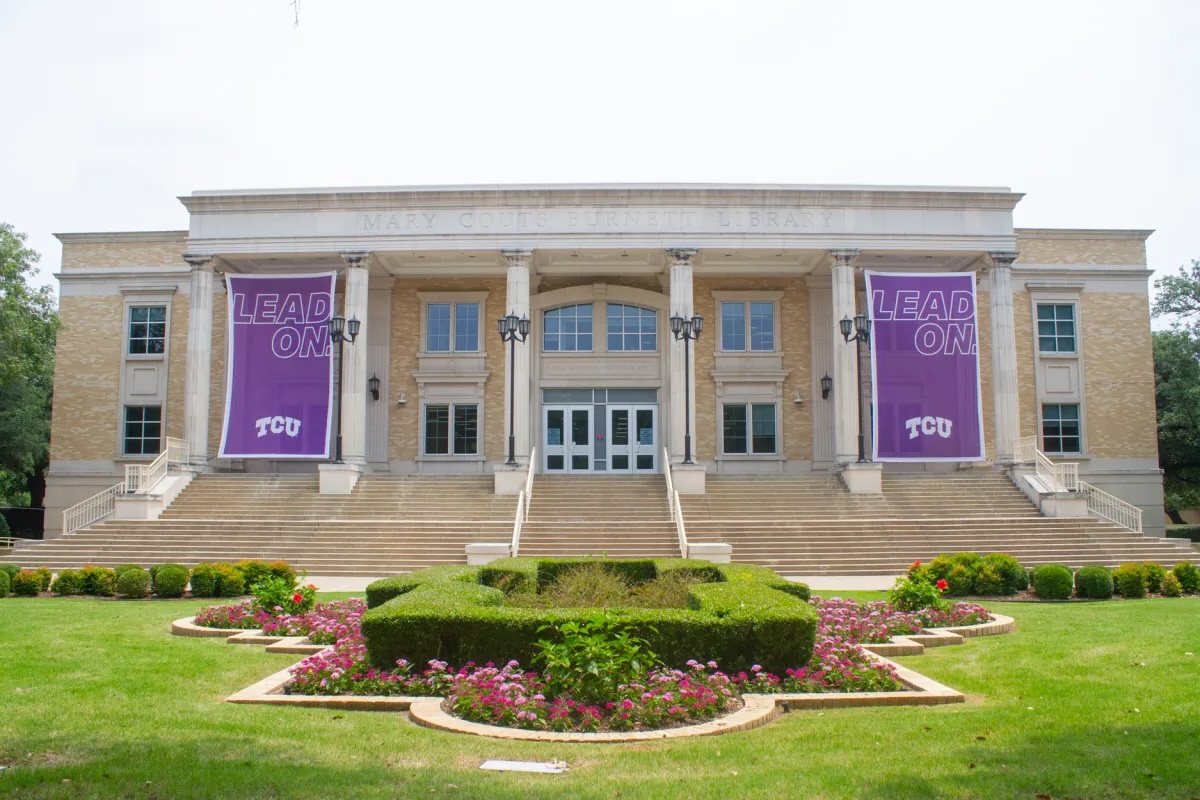
For the past 20 years, I have taught communications courses at TCU. Every time I have the opportunity to address students, I make a point to talk about joining the PRSSA chapter on campus. The reason is simple: chapter membership gives students a connection to working professionals before they ever enter the full-time workforce. That head start matters.

I currently hold dual membership in both the Dallas and Fort Worth chapters of PRSA, and both offer strong programming and professional development opportunities throughout the year. If you are looking for a way to meet people working in public relations and communications, learn from practitioners across specialties and experience levels, and stay current in a field that never stops evolving, attending a chapter event is a good place to start.

You can learn more about the Dallas and Fort Worth chapters in the links below.

Dallas: https://prsadallas.org/

Fort Worth: https://fortworthprsa.org/

One for the history books 

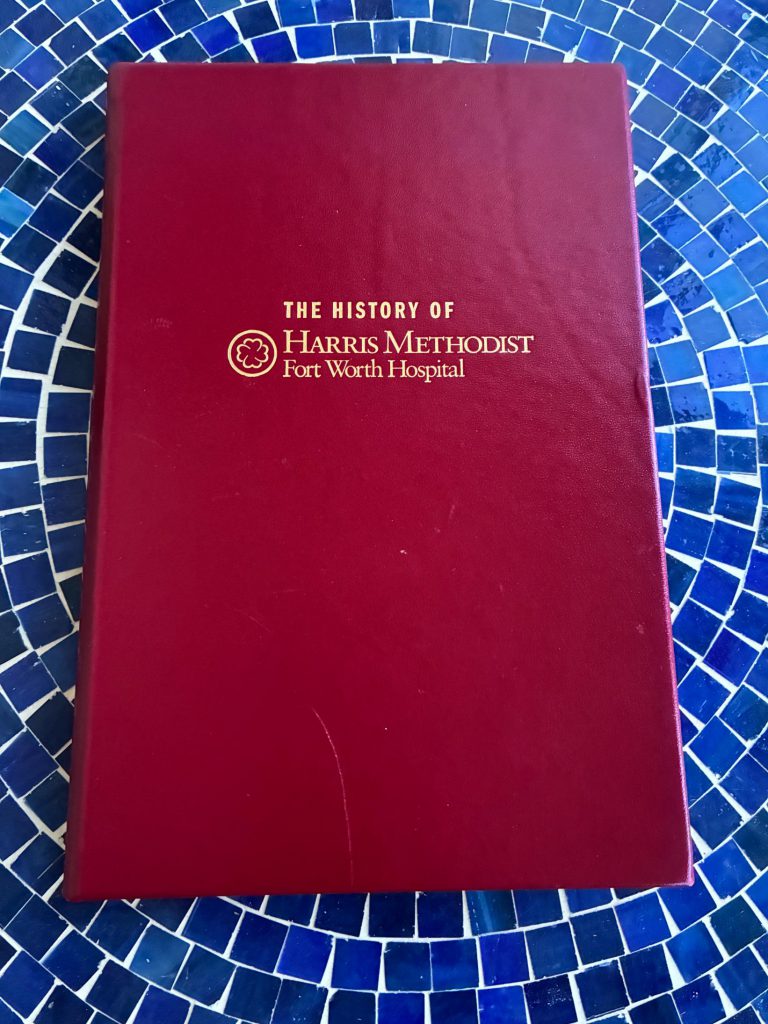
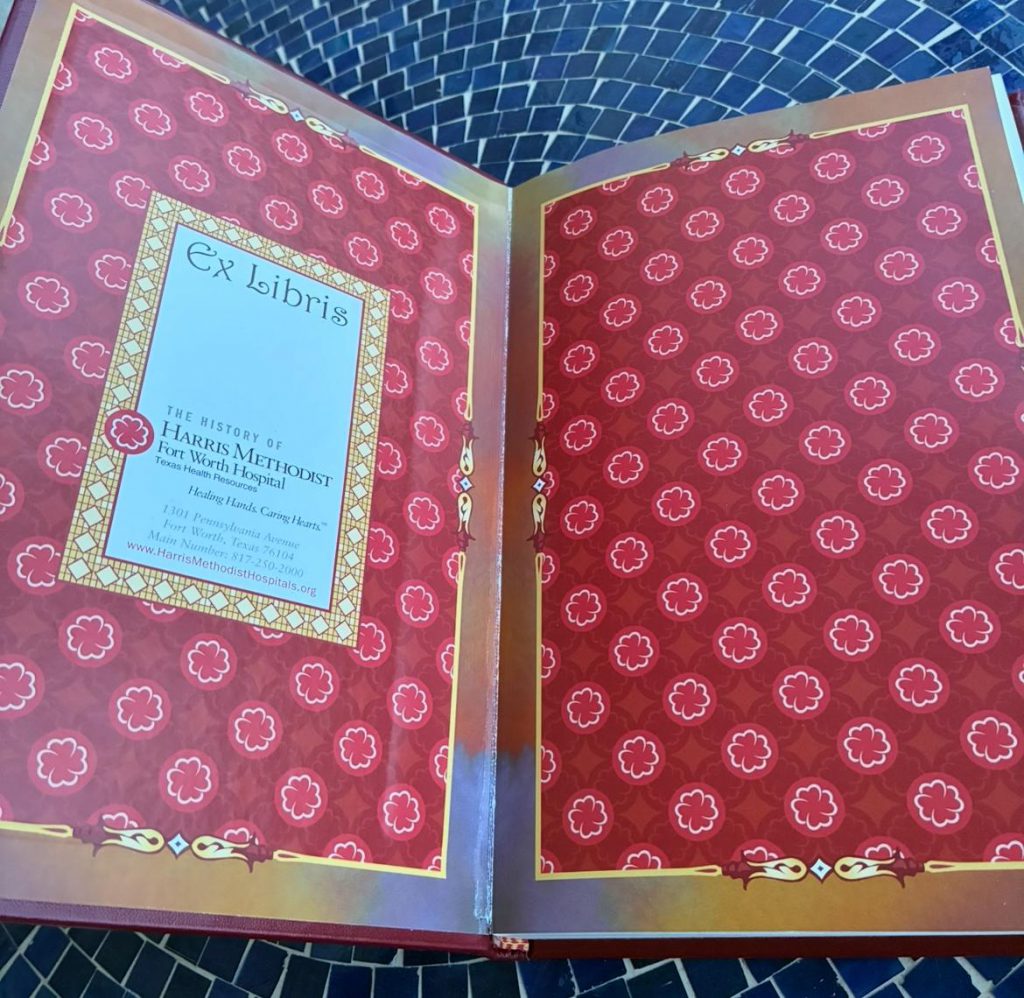
A favorite project we worked on was the history book for the 75th anniversary of Texas Health Harris Methodist Hospital Fort Worth. 

With our stellar research and writing team led by Ashley Antle, APR and Gina Best, we published the book in 2005, at the request of then hospital president Barclay Berdan.

Here’s a peek at the special acknowledgments published in the book we wrote:

“This project is intended to give  you readers a glimpse into the mystique, culture and fabric that makes Harris Methodist Fort Worth Hospital what it is today: an award-winning “high-tech, high-touch” nationally recognized sprawling medical campus. Those of us who feel especially close to the Hospital often say Harris is a like a family. It’s almost impossible to pinpoint just what makes it such a magical place to be a part of, you just know you’re drawn to it.

While every painstaking effort has been made to check and recheck the facts told inside these pages to ensure accuracy, much of the information detailed is from personal interviews and recollections of those who remember Harris Methodist Fort Worth Hospital’s founder, Dr. Charles Harris, as well as those who were part of key milestones in the Hospital’s history. This publication is not meant to be a comprehensive encyclopedia of history. This book would not have been possible without the unending encouragement, support, dedication and commitment from Harris Methodist Fort Worth Hospital’s current president Barclay E. Berdan, who had the vision and passion for the project many years ago. He consistently nurtured, fostered and supported project leader Laura Van Hoosier throughout this journey, which quickly became a heartfelt labor of love. Many of the stories, recollections and warm reflections here are fitting to be shared because they embody the philosophies and the leadership gifts Berdan and his predecessors ingrained into the Harris culture, making it what it is today.

A debt of special gratitude and public acknowledgment is offered to the Hospital’s Volunteer Auxiliary, whose membership gave a valuable grant to fund the production costs for this project. (Please see page 101 for a complete list of members’ names, and offer them a word of thanks when you see them next.)

To Carrie Cothrum who, while a graduate student of Dr. Clayton Brown at TCU, logged countless hours researching this project from its humble beginnings. She wrote the initial outline and timeline, and helped lay the foundation for what you see before you. As she is scheduled to be awarded her doctorate in history in 2006, we hope we’ve made her proud.

A word of praise is offered to Gwin Grimes who offered her journalistic talents conducting interviews and crafting a first working draft of the book. With the heart and soul of a seasoned storyteller, Ashley Wesson Antle wove many of the stories together with the necessary facts and figures. Numerous hours were spent fact checking the stories told here, and this project would not be what it is without her involvement.

The master writing and editing skills of Gina Augustini Best also should be applauded, as she, too, helped flesh out many of the stories and chapters within these pages. She pondered and probed to find just the right word or phrase to illustrate a special point, and her talents, dedication and attention to detail have made this book a reality.

To Doug Hawthorne, Elaine Gwaltney, Doug White, Balcom Agency, Mark Lefler, Kent Best, Dr. Lucile Estell, Fort Worth Star-Telegram, Aline McKenzie, TCU and UTA Archives, the photographers, and the numerous other individuals who were involved in this project, we thank you for your time, talents and gifts of service, and please understand that space constraints limit mentioning each person by name.

To the nurses, doctors, patients, families, volunteers, chaplains and others who allowed us a glimpse into their lives, we are thankful.

We dedicate this book to every patient who has been cared for at Harris Methodist Fort Worth Hospital, and we offer a prayer of hope and comfort to those we’ll serve in the future.

Here’s to the future promises and commitments we make to patients.

Laura Van Hoosier”

What real media relations groundwork looks like when it pays off

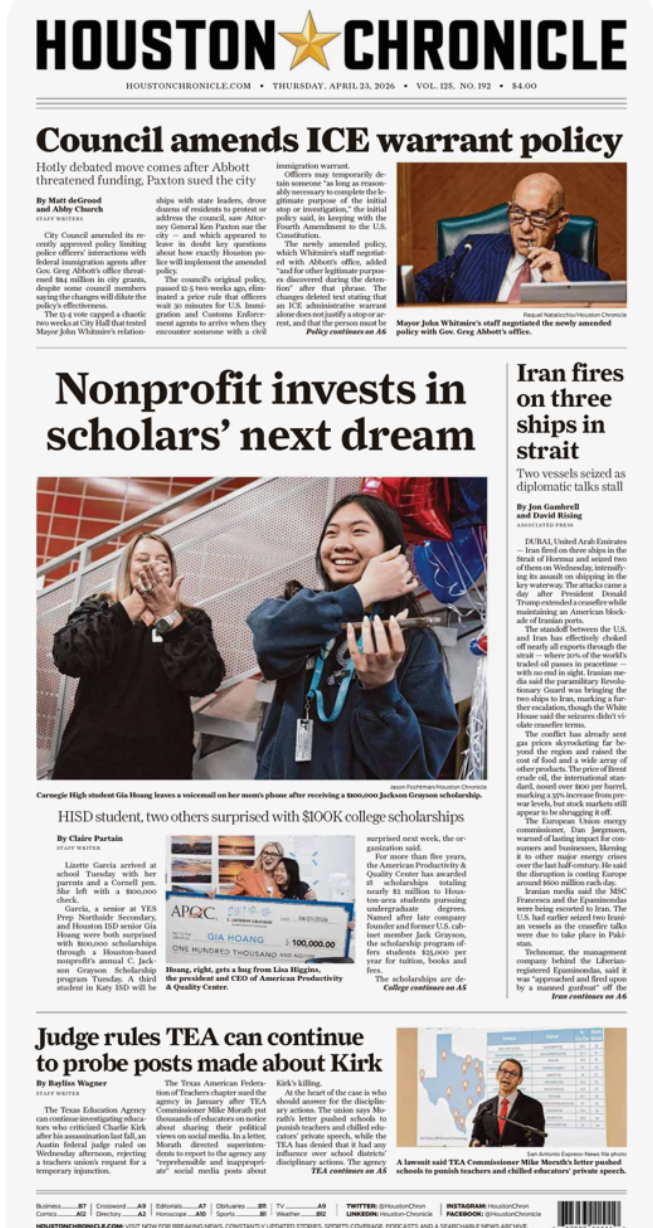
There is a moment in public relations when everything clicks. The story lands exactly where you wanted it, in the outlet you targeted, told the way your client deserved to have it told. Recently, our team at LMC Agency had one of those moments. As a contractor supporting MPD Ventures, we had the privilege of assisting with a high-stakes media relations project for one of their longtime clients. The result: front page, above the fold, in a major metropolitan daily newspaper with national reach. A headline, a subheadline, a full story, and two photos.

It did not happen by accident.

It started several weeks before the first event with a blank spreadsheet and a question: who are exactly the right reporters and outlets for this story in this market? Not a generic media blast. Not a purchased list loaded with names that have not been verified in two years. A curated, researched, hand-built targeted list developed by combing through news clippings, previously published stories, editorial databases, and outlet archives to identify journalists who actually cover this beat, in this geography, at this level.

That work is unglamorous. It is also irreplaceable.

Once the list was right, the outreach began. Multiple rounds of emails. Phone calls. Follow-up calls. More emails. Not to flood inboxes, but to make sure the right people had what they needed to say yes, and to confirm genuine interest before a single event took place. This client had three separate events across two days, which meant the coordination layer was significant. Different reporters. Different timing. Different interview opportunities. All of it mapped and confirmed well in advance.

The day before and the day of, we were in constant contact, confirming presence, coordinating logistics, connecting reporters with the right people at the right moments.

None of that is glamorous either. It is the work most people never see, and it is exactly the work that separates a story that runs on page eight from one that runs above the fold on the front page.

When the client saw that placement, they were thrilled. So were we. Not just because of where it landed, but because we knew what it represented: every curated contact, every follow-up call, every confirmed interview, every logistical detail that kept three events over two days moving smoothly enough that reporters could do their jobs and tell a great story.

Media relations is not a shortcut business. It is a relationship business built on preparation, persistence, and knowing exactly who needs to hear your story and how to reach them. When you do that work right, the results speak for themselves.

Sometimes they even make the front page, above the fold.

Ready to tell your story?

If you have news worth sharing, we want to help you share it right. LMC Agency brings decades of strategic communications experience and the kind of meticulous, relationship-driven media relations work that turns a great story into real coverage. Reach out today and let’s talk about what we can do for you.

Finding the First Baby: Lessons in Relationships, Research, and Honoring History

Some projects stay with you for a long time. The 75th anniversary of Texas Health Harris Methodist Hospital Fort Worth is one of them. We are sharing this story today, on Memorial Day, with both gratitude and a heavy heart.

When we took on this milestone in 2005, we knew we wanted to do more than celebrate 75 years of healthcare in Fort Worth. We wanted to honor it, which meant finding the people and stories that made that history real. One question kept surfacing: who was the first baby born at this hospital when it opened in 1930?

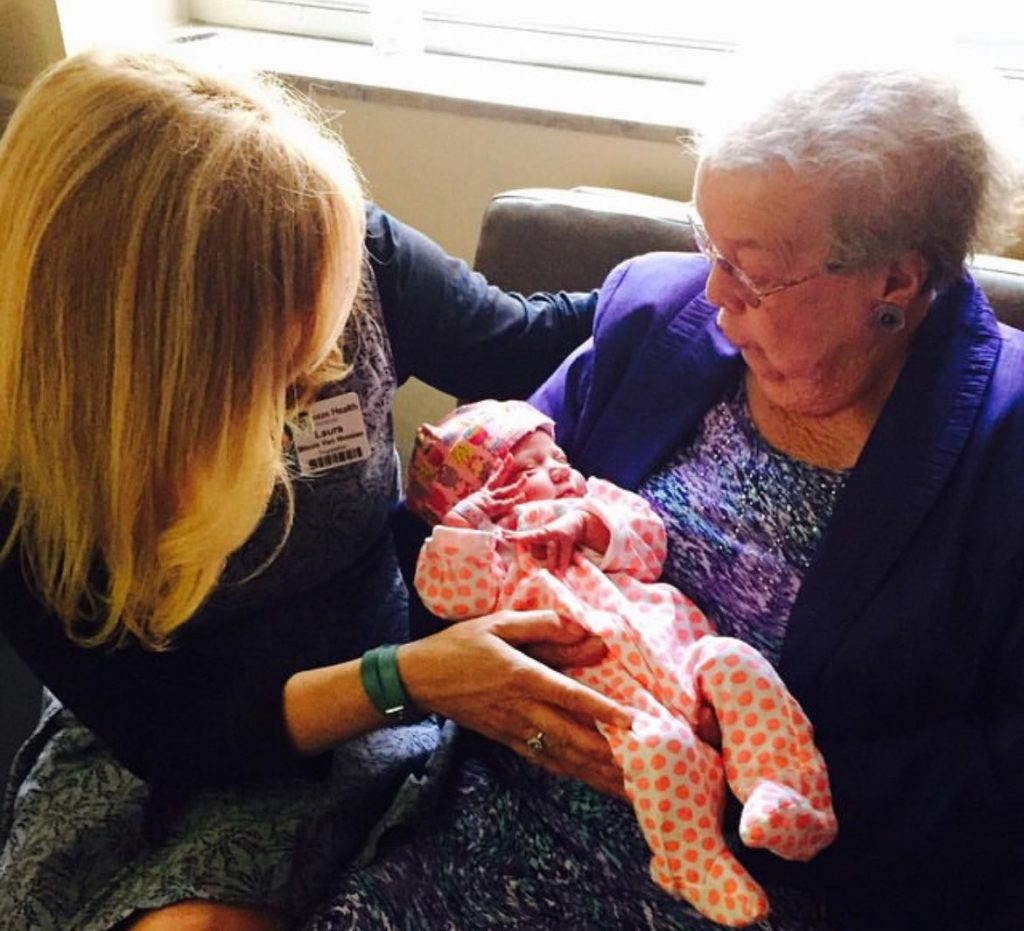
We started with the birth records. From there, we thought we might need a private investigator. Instead, a single Google search pointed us to a woman still living on the family land in Rockdale, Texas. We picked up the phone, dialed the number, and she answered. Yes, she said, she was the first baby.

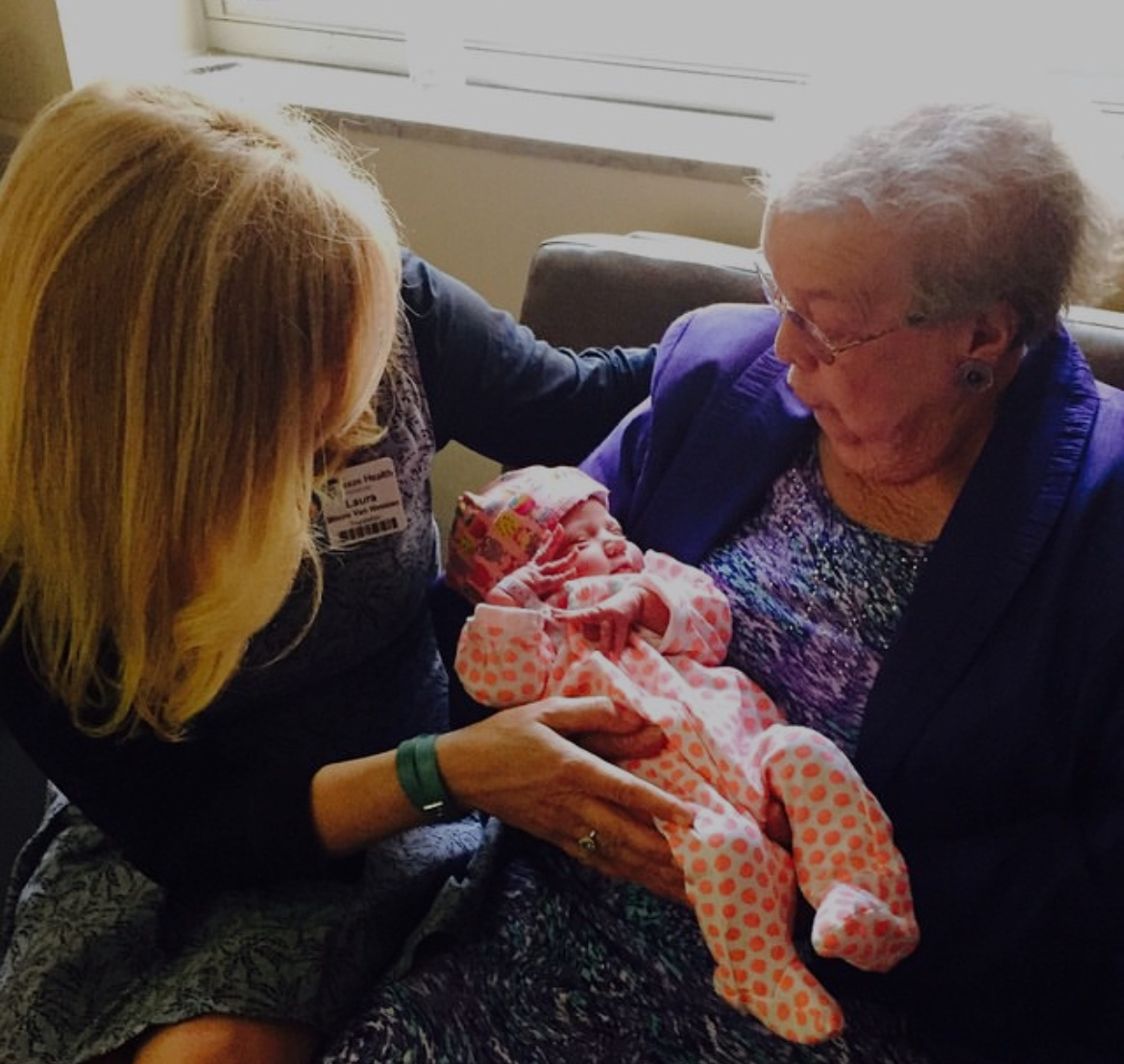
She was Dr. Lucile Estell, born March 3, 1930, at Harris Fort Worth Methodist Hospital, the very first baby to arrive within those walls.

She had already returned for the hospital’s 50th anniversary, and she came back again for the 75th, joining us to share remarks with the audience gathered for the celebration. As the event unfolded, the chairman of the board of trustees presented her with a diamond heart necklace, a fitting tribute given that the diamond is the traditional anniversary stone for a 75th.

The afternoon was something to behold. We staged a fashion show featuring members of the public relations team modeling styles from each decade of the hospital’s history, from 1930s suits and gloves through go-go boots, shoulder pads, and into the fashions of the 2000s. We served a celebration cake for 5,000 guests. It was the kind of event people still talk about.

But the detail that made the whole thing resonate was this: Dr. Estell had become a history teacher and a historian. Of all the lives she could have built, she built one devoted to preserving the stories of the past. She understood, perhaps better than anyone in that room, why the afternoon mattered.

That relationship did not end with the event. She wrote the opening pages of the commemorative history book we produced, a project covered in a previous post. A signed copy sits with us today, and it means even more now. She returned again when Texas Health dedicated its senior health and wellness center, where she had the chance to meet a baby born on March 3, her own birthday. That moment said everything about who she was.

Over the years, what began as a search through birth records became something far more meaningful. Dr. Estell became a friend, a collaborator, and a living reminder of why the work of honoring history matters. We had the privilege of speaking with her not long before she passed. When we learned of her passing in December 2024, it was hard. It is still hard. It felt right to sit with that on this Memorial Day and put these words down, because she deserves to be remembered, and this is one small way we can do that.

She was 94 years old and she lived every one of those years with grace, purpose, and a deep devotion to the stories that connect us to one another.

The 100th anniversary will arrive in 2030, closer than it sounds. She will not be there in person, but her words open the history book, her presence shaped that celebration, and her legacy is woven into the story of that hospital in a way that will not fade.

This post is for her.

Relationships are the work. History is worth preserving. And sometimes, the person you are looking for is already waiting for your call.

In memory of Dr. Lucile Estell, March 3, 1930 — December 14, 2024.